
Workshop 101: Managing and Reducing Behaviours That Challenge
creating calm 🪴 building connection 🪴 reducing challenge
-
Chapter 1
-
Lesson 1: Welcome & What to expect
Welcome to Guiding Lights, we are Positive Behaviour Support (PBS) & Applied Behaviour Analysis (ABA) specialists
🎯 Workshop Goals:
• To help attendees understand why challenging behaviours happen
• To shift focus away from the behaviour itself and onto what happens before (the environment, triggers, routines)
• To provide practical, compassionate strategies grounded in Positive Behaviour Support
-
Lesson 2: Reframing Behaviour - The PBS Approach
💡Key message: “Before we look at what the behaviour is, we ask why it’s happening — and what’s happening before it”
• Quick intro to ABCs (Antecedent – Behaviour – Consequence)
• But focus on the A: antecedents and environment
• Brief examples of environmental influences:
• Physical (lighting, noise, seating)
• Social (who’s present, what’s being said)
• Task-related (difficulty, unclear instructions)
• Sensory (over/under stimulation)
-
-
Chapter 2
-
Lesson 1: Case Examples - Changing the Environment
Behaviour happens for a reason (functions of behaviour)… Challenging behaviour = unmet need
📚 Mini case studies showing how small environmental changes reduced behaviour:
• Example 1: Child hitting during transitions → added visual schedule + timer
• Example 2: Refusal to start tasks → broke tasks into smaller steps, offered choice
• Example 3: Screaming during group times → introduced quiet break space
-
Lesson 2: Toolkit - Proactive Environmental Strategies
Encourage attendees to observe one behaviour and look for environmental patterns
🎉 10 FREE downloadable checklists & worksheets with environmental questions like:
• “Is the expectation clear?”
• “Is the space too loud, bright, or crowded?”
• “Is the person being given choices?”
• “Have we prepared them for what’s coming next?”
-
-
Chapter 3
-
Lesson 1: The Role of Relationships
Focus on empowerment, not blame (“It’s not your fault, but you can make a difference”)
Use affirming, strengths-based language (“Your child isn’t being difficult, they’re having a hard time”)
🫂 Emphasise on connection over correction
• How predictability, trust, and emotional safety can reduce behaviour
• “Co-regulation before self-regulation”
-
Lesson 2: Reflection Prompt
12 Environment-Based Strategies to Reduce Challenging Behaviour
📋 Invite attendees to reflect on a behaviour and consider:
• “What might be triggering this?”
•“What could I change in the environment first?”
-
Lesson 3: Wrap-Up and Call to Action
Endnote: “Understanding and Reducing Behaviours That Challenge – Through a Positive Lens”
Invite attendees to:
✅ Download your FREE worksheet/toolkit
✅ Book a discovery call
✅ Sign up to Guiding Lights community newsletter
-
Meet your instructor
✳
Meet your instructor ✳
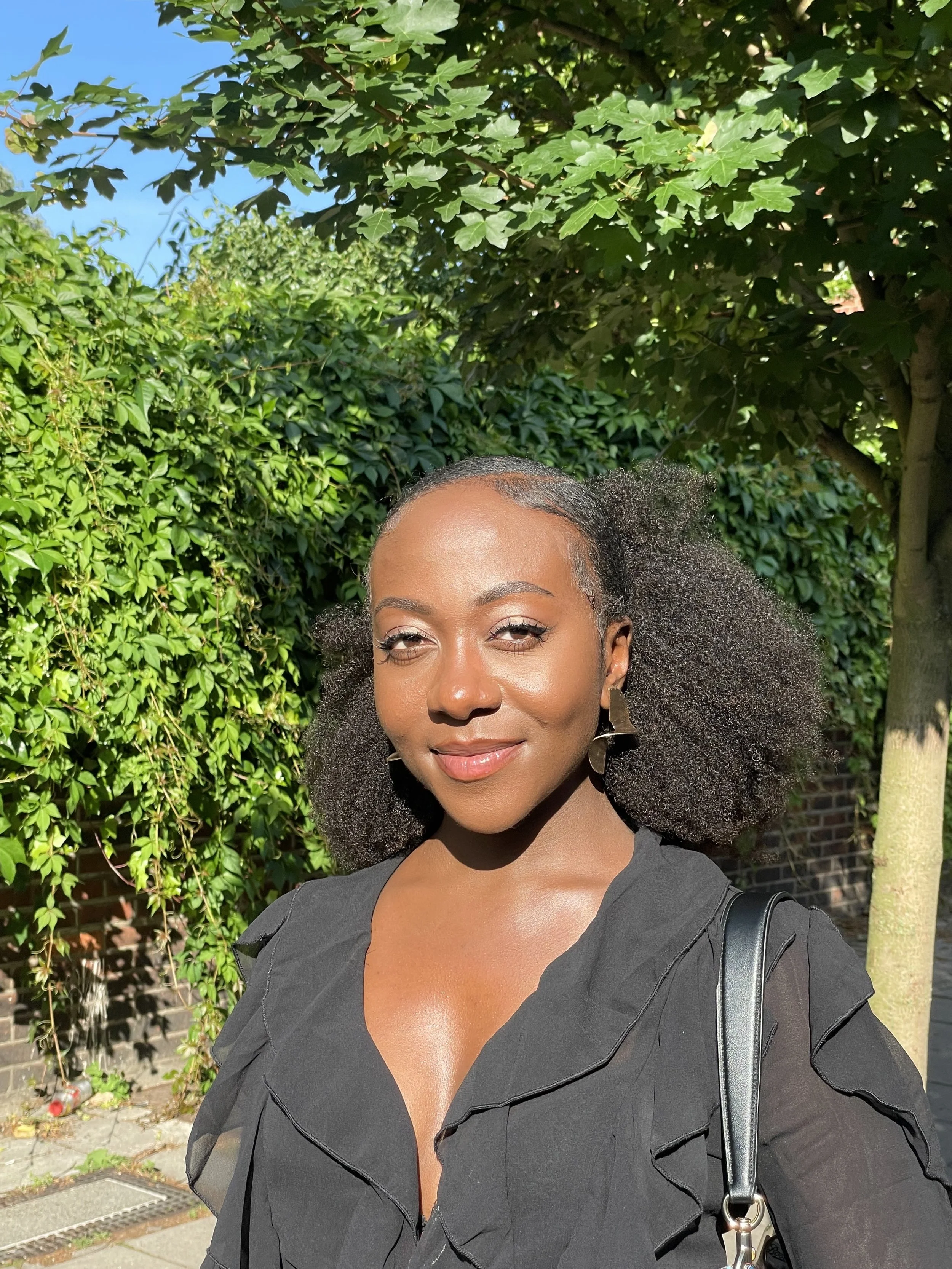
Ariana
Guiding Lights is proud to be a community that spreads kindness, compassion & high quality experiences
Out of all the hats I wear at Guiding Lights, my favourite is running our digital workshops. These sessions are fun, informative, and designed with parents in mind. With clear learning objectives and a user-friendly format, attendees can easily track their progress and flourish throughout their learning journey
What you’ll learn

-
The workshop emphasizes shifting focus away from the behaviour itself and toward understanding the environmental factors that trigger or influence it.
Through the lens of Positive Behaviour Support (PBS), attendees learn to ask: “What’s happening before the behaviour?”
Concrete examples (e.g. lighting, noise, task demands) and strategies (e.g. visual schedules, offering choice) are used to show how adjusting the environment can reduce challenging behaviours.

-
The training is designed to be practical and strengths-based, offering toolkits, checklists, and case studies that participants can use right away.
The tone is intentionally non-blaming and empowering, encouraging participants to see behaviour as communication and to feel capable of making a positive difference.
Strategies like “connection over correction” and “co-regulation before self-regulation” highlight the relational and emotional aspects of behaviour support.

-
The session is carefully structured to guide participants from understanding to action — starting with mindset shifts, moving through real-life examples, and ending with practical tools.
Includes varied elements to maintain engagement:
Personal storytelling (your “why”)
Simple models (ABCs of behaviour)
Visuals, case studies, reflection prompts, and downloadable tools
This thoughtful flow ensures the audience feels supported, not overwhelmed, and leaves with concrete next steps.
Course FAQ
-
Answer:
This workshop is designed for both professionals and non-professionals — including parents, caregivers, educators, and support workers. You don’t need a background in psychology or behaviour to benefit. The strategies are practical, easy to understand, and focused on real-life situations. -
Answer:
Yes — while the workshop focuses on proactive and environmental strategies, the principles apply to a wide range of behaviours. You’ll learn how to spot early signs, reduce triggers, and create supportive environments that can prevent escalation. For very complex situations, this workshop can be a starting point, and you’ll be guided on where to seek more tailored support if needed. -
Answer:
Absolutely. You’ll receive a downloadable toolkit, including:A checklist for spotting environmental triggers
A fill-in-the-blank observation log
Simple strategies to try at home, school, or work
These are designed to help you put the ideas into practice right away.